
All Products
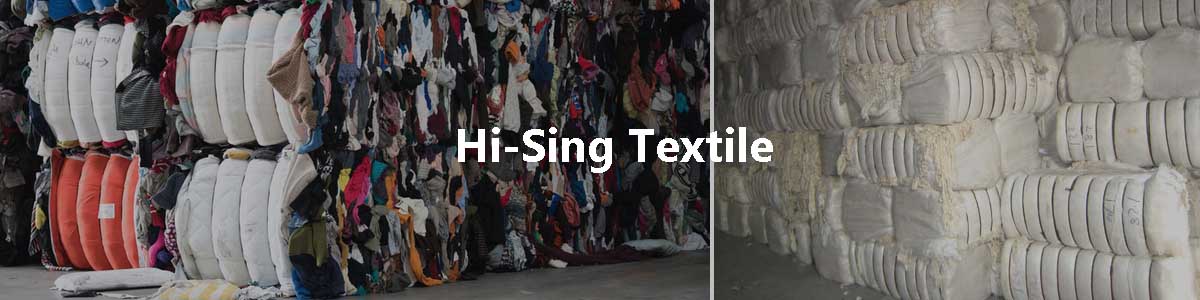
At Hi-Sing Textile, we supply a comprehensive range of premium textile raw materials and by-products. Our core offerings include high-grade cotton wastes such as Comber Noil and various fly, alongside specialized Cotton Lycra Shoddy. We are experts in providing sustainable solutions for the spinning and manufacturing industries by turning production waste into valuable resources.
Our diverse portfolio also features a full spectrum of synthetic and blended yarn wastes, including 100% Polyester, PC, and PV. Furthermore, we are a key source for unique denim recycling materials like Indigo Yarn Waste and Denim Clips, supporting circular fashion and cost-effective production for our global partners.
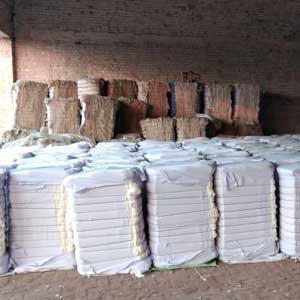
Stacking
Stacking Stacking is the systematic process of organizing and piling finished bales or other uniform units in a warehouse or storage yard to maximize space, ensure stability, and maintain inventory integrity. In the context of a textile waste operation, it involves the strategic placement of compressed bales—such as those containing cotton noil or polyester clips—into […]
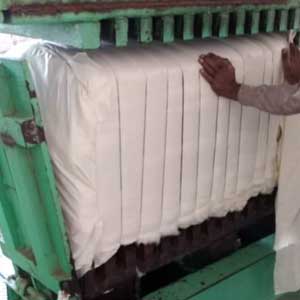
Baling
Baling Baling is a critical process in the textile waste supply chain, involving the compression and packaging of loose, bulky materials into dense, uniform blocks known as bales. This is achieved using high-pressure hydraulic baling presses. For recyclers like Hi-Sing Textile, baling is an indispensable operation that transforms mountains of scattered waste—such as yarn remnants, […]
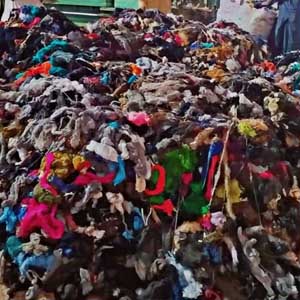
Colour Yarn Waste
Colour Yarn Waste Colour Yarn Waste encompasses a broad category of waste yarn generated after the dyeing or printing process. This includes hard wastes like leftover cones, cops, and pirns, as well as soft waste from spinning and twisting that has already been coloured. The defining characteristic is that the fibres are permanently dyed in […]
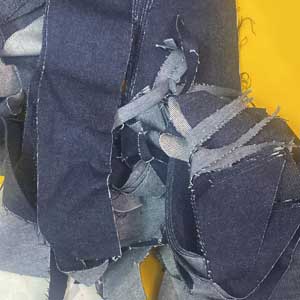
Denim Clips
Denim Clips Denim Clips are the small pieces of fabric cut away during the manufacturing of denim garments. These clips are typically a blend of cotton and indigo-dyed yarn, often containing elastane for stretch. They are a major source of post-industrial waste. This material is collected, sorted by color, and then processed through heavy-duty tearing […]
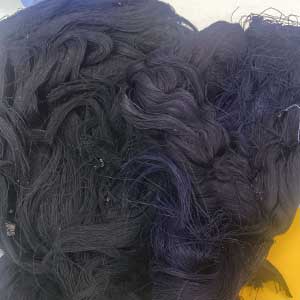
Indigo Yarn Waste Sized
Indigo Yarn Waste Size This is the indigo-dyed yarn waste that has also been coated with a protective sizing film. It comes from the weaving preparation stage. The combination of dye and sizing makes it the most challenging type of indigo waste to recycle. It often requires a de-sizing process before it can be effectively […]
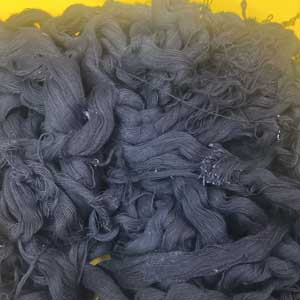
Indigo Yarn Waste Soft
Indigo Yarn Waste Soft This refers to the soft, fibrous waste generated during the production of indigo-dyed cotton yarns, primarily for denim. It is collected from the roving and spinning stages after the yarn has been dyed. This waste is already colored a deep blue, which dictates its recycling path. It is typically blended with […]
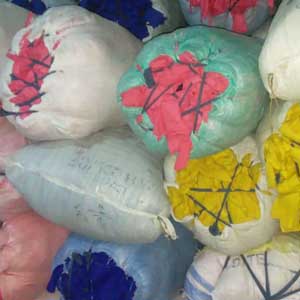
Polyester Colour Clips
Polyester Colour Clips Polyester Colour Clips are small, pre-dyed pieces of fabric waste generated from the cutting rooms of garment factories that work with 100% polyester materials. These clips are the result of cutting patterns for apparel, home furnishings, or technical textiles. Unlike white clips, they come in a wide array of colors, which dictates […]
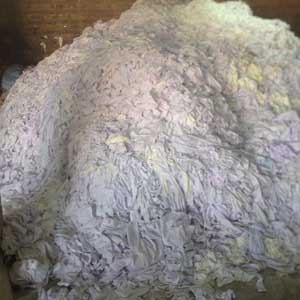
Polymer White Clips
Polymer White Clips Polymer White Clips are the clean, undyed, and usually unsized cutting waste from 100% polyester or other synthetic fabric production. These small fabric pieces are a high-quality recycling feedstock because of their purity and consistent color (white). They can be directly melted and extruded to create high-grade recycled polyester chips (rPET). These […]
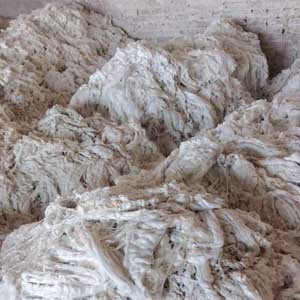
PV Yarn Waste
PV Yarn Waste This is a broader category encompassing all waste from the production of polyester-viscose yarns and fabrics. It includes spinning waste, fabric clippings, and selvedge waste. The key characteristic is the blend of synthetic polyester with cellulosic viscose, which mimics the properties of cotton but with better durability and drape. Recycling this waste […]
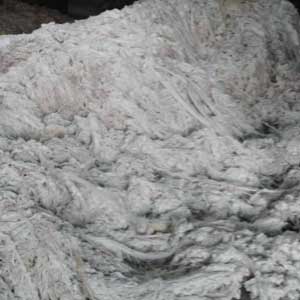
PV Yarn Waste Spinning
PV Yarn Waste Spinning PV (Polyester-Viscose) Yarn Waste generated during the spinning process includes soft waste from drawing and roving and hard waste from winding. This blended waste is collected and processed through tearing machines to be converted back into a fibrous state. The recycled PV fiber is then re-spun, typically on rotor spinning systems, […]
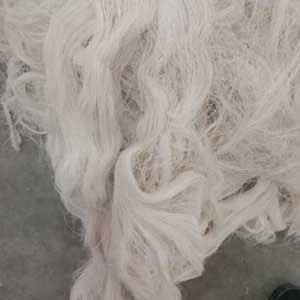
PC Sized Yarn Waste
PC Sized Yarn Waste This refers to PC yarn waste that has been coated with a sizing agent (like starch or PVA) to strengthen it for the high-stress weaving process. The presence of this sizing makes recycling more challenging, as it must be removed through a de-sizing process before the yarn can be effectively re-melted […]
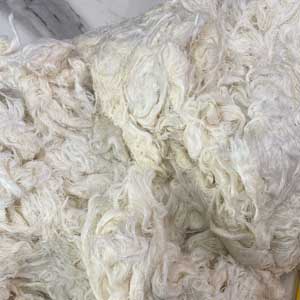
PC Selvedge Yarn Waste
PC Selvedge Yarn Waste PC Selvedge Yarn Waste is the clean, unused yarn recovered from the edges of woven polyester-cotton fabrics. It is a superior grade of PC waste because it is free from sizing chemicals and has not been subjected to dyeing or finishing. This clean profile allows for easier reprocessing and higher-quality output. […]
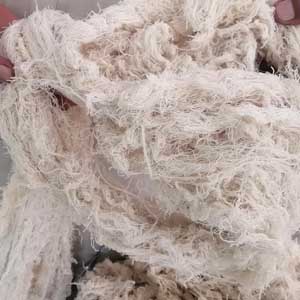
PC Yarn Waste
PC Yarn Waste PC (Polyester-Cotton) Yarn Waste is generated from the production of blended yarns containing both polyester and cotton. This waste can be soft (from early processes) or hard (from winding and weaving). Its blended nature makes recycling more complex than single-fiber waste. It is commonly processed through a tearing machine to create a […]
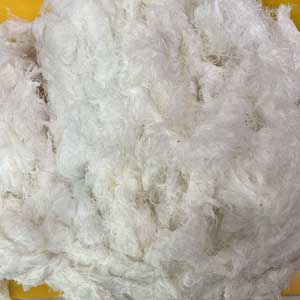
100pct Polyester Selvedge Yarn Waste
100pct Polyester Selvedge Yarn Waste This is a specific, high-quality type of polyester yarn waste. It consists of the unused yarn from the edges (selvedge) of woven fabrics, which is typically clean, un-dyed, and of a consistent count. Because it has not undergone the full weaving and finishing process, its polymer quality remains high. This […]
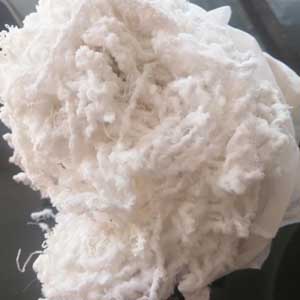
100pct Polyester Yarn Waste
This category comprises waste generated during the production of 100% polyester yarns, including hard waste from winding, pirns, and cones, as well as soft waste from drawing and roving frames. This waste is 100% polymer-based and can be efficiently recycled. It is often reprocessed through a re-pelletization process to create recycled polyester (rPET) chips or [...]
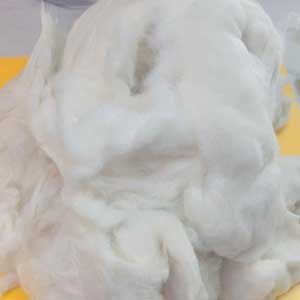
Comber Noil
Comber Noil Comber Noil, often used interchangeably with Cotton Comber Noil, is the soft, short-fiber waste extracted during the high-precision combing process. This step aligns the cotton fibers and removes the shortest staples to ensure uniformity and strength in the final combed yarn. The noil itself, while a “waste” from the combing perspective, is a […]
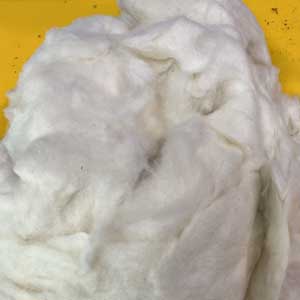
Cotton Lycra Shoddy
Cotton Lycra Shoddy Cotton Lycra Shoddy refers to the recycled fiber generated from cutting waste or post-consumer garments made from cotton and lycra (spandex) blends. This material is processed through specialized tearing machines that break down the fabric clips back into a fibrous state. The resulting fiber mass contains a mix of cotton and elastic […]
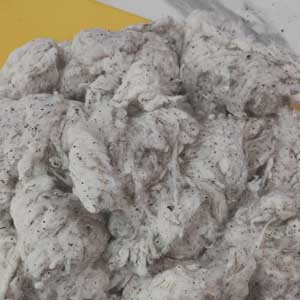
Cotton Lickerin Fly
Cotton Lickerin Fly Cotton Lickerin Fly is the coarse waste extracted from the lickerin cylinder of the opening and cleaning line in a spinning mill. This is the first and dirtiest waste collected, comprising a mix of very short fibers, seeds, husks, sand, and dense soil particles. It is the lowest grade of cotton waste […]
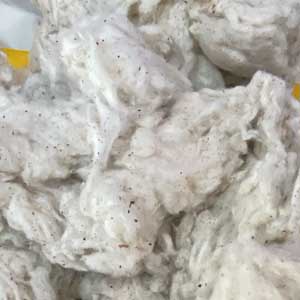
Cotton Card Fly
Cotton Card Fly Cotton Card Fly is the lightweight waste collected from the carding machine during the early stage of yarn preparation. It consists of very short fibers, motes, dust, and leaf particles that are stripped and air-blown from the main cotton web. This material is significantly coarser and contains more non-fibrous impurities compared to […]
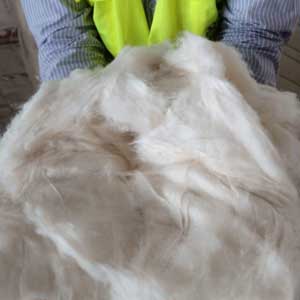
Cotton Comber Noil
Cotton Comber Noil Cotton Comber Noil is a premium, short fiber removed during the combing process in spinning. This by-product consists of the shortest cotton fibers, along with any remaining fine impurities. While unsuitable for producing high-strength, fine-count yarns, Comber Noil is highly valued for its softness. It is primarily recycled back into the textile […]